What is an IP Address?

How IP Addresses Power DNS Filtering

An IP address is a unique numerical label assigned to every device on a network. DNS filtering services like CleanBrowsing use your public IP address to identify your account and apply the correct filter profile.

Set Up DNS Filtering

Step 1: What is an IP Address?

An IP (Internet Protocol) address is a numerical identifier assigned to every device connected to a computer network. Just as a street address identifies a building, an IP address identifies a device so data can be routed to the correct destination.

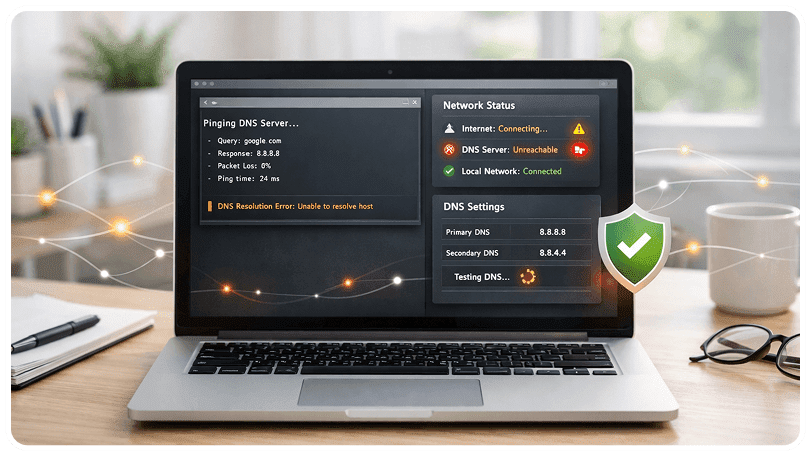
When you visit a website, your browser first uses DNS to translate the domain name into an IP address. The browser then connects to that IP address to load the page. DNS filtering works at this translation step — before the connection is made.

Step 2: IPv4 vs IPv6

There are two versions of IP addresses in use today:

  • IPv4: The original format using 32-bit addresses (e.g., 185.228.168.168). Provides about 4.3 billion unique addresses. CleanBrowsing's free resolvers use IPv4 addresses
  • IPv6: The newer format using 128-bit addresses (e.g., 2a0d:2a00:1::). Provides a virtually unlimited address space. CleanBrowsing supports IPv6 DNS resolvers

Both formats work with DNS filtering. Most networks today use IPv4, but IPv6 adoption is growing as IPv4 addresses become scarce.

Step 3: Public vs Private IP Addresses

Networks use two types of IP addresses:

  • Public IP: Assigned by your ISP, this is the address the internet sees. CleanBrowsing uses your public IP to identify your account and apply filter settings
  • Private IP: Used within your local network (e.g., 192.168.1.x). Private IPs are translated to your public IP by NAT before reaching the internet

Your public IP may be static (stays the same) or dynamic (changes periodically). For dynamic IPs, CleanBrowsing offers a dynamic IP scheduler to keep your account synchronized.

Some ISPs use CGNAT, where multiple customers share a single public IP — this can complicate DNS filtering profile matching.

Step 4: IP Addresses in DNS Filtering

IP addresses play a central role in DNS filtering. When you configure CleanBrowsing, you register your public IP with your account. Every DNS query that arrives from that IP is matched to your filter profile, applying the category blocks, allowlists, and blocklists you've configured.

On the authoritative DNS side, NOC.org manages the IP addresses that domains point to (A and AAAA records). CleanBrowsing's recursive resolver then decides whether your users can access those domains based on your filtering policy.

Start filtering your network with CleanBrowsing

Set Up DNS Filtering