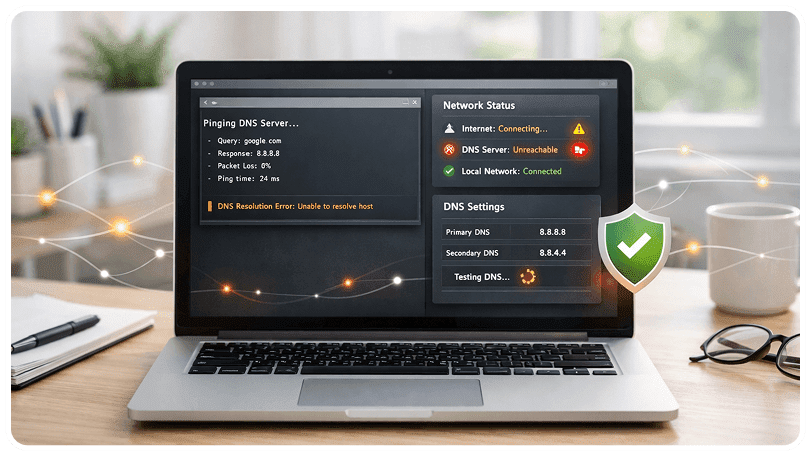
Configuring DNS filtering at the router is the recommended starting point for most users. When you change the DNS settings on your router, every device that connects to your network automatically uses your chosen filtering resolver. There is no need to configure each device individually — laptops, phones, tablets, smart TVs, gaming consoles, and IoT devices are all protected the moment they connect.
This "set it and forget it" approach is what makes router deployment so appealing. One configuration change on one device protects your entire network. For families, this means every device a child uses at home is filtered, even devices you might not think about — smart TVs with built-in browsers, gaming consoles with web access, and IoT devices that could be exploited. For schools and libraries, router deployment provides network-wide compliance with content policies. For businesses, it ensures consistent filtering across all connected devices without requiring endpoint software.
Router deployment is especially effective when combined with DNS locking — firewall rules that prevent individual devices from overriding the router's DNS settings. Without DNS locking, a user can simply change their device's DNS to a non-filtering resolver like 8.8.8.8 and bypass the filter. With DNS locking in place, the router intercepts or blocks these unauthorized DNS queries, making the filter much harder to circumvent.
The primary limitation of router-level filtering is that it only applies while devices are connected to your network. The moment a child's phone connects to a different WiFi network, a cellular data connection, or a friend's hotspot, the router's DNS filter no longer applies. This is where device-level deployment becomes important.